 Sealfie
My boss is an AI, part one
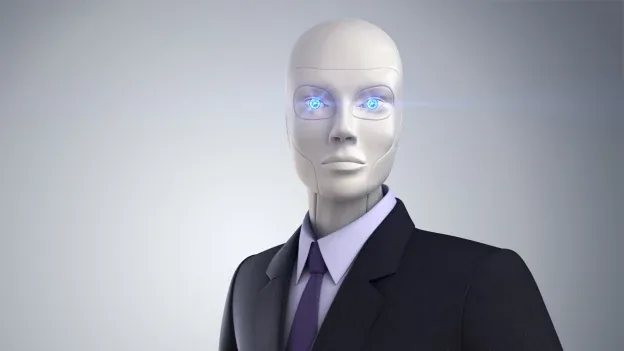
You may remember Ms Tang Yu, the humanoid robot appointed to lead a publicly traded company in China. The episode showed that an artificial intelligence could hold a decision-making role. That is not what should occupy you today. What should is voice cloning.
Cloning a voice has become trivial
It’s Time to Protect Yourself From AI Voice Scams documents how a synthetic voice model is now built with consumer tools, for a sum any criminal can spend without thinking about it.
The consequence is direct: no technological barrier separates a criminal from your chief executive’s voice. Expect cloning models to be sold on criminal markets, as access credentials and databases already are.
One public appearance supplies the raw material: a podcast, a video call, a shareholder meeting.
What this does to awareness training
Generic security training rests on an assumption: the fake carries a detectable flaw. A spelling mistake, an odd intonation, an unusual turn of phrase. That assumption held while attackers worked fast and badly.
It no longer holds. A defence that asks an employee to recognise a fake voice by ear hands them a task no human performs reliably. Impersonation attempts keep growing more sophisticated, and prevention built on vigilance does not keep pace.
Moving the question
Sealfie asks something other than “is this voice genuine”. It establishes that the person making the request is who they claim to be, through sources an attacker cannot forge simultaneously: the real requester’s phone, their mobile carrier, the secure element in their device.
Every verification is sealed into a timestamped log. The company keeps irrefutable traces of what was checked, and when.
Next
Part two looks at the other channel the same tools open up: imitating an executive’s writing style from their emails.