Sealfie
Analysis
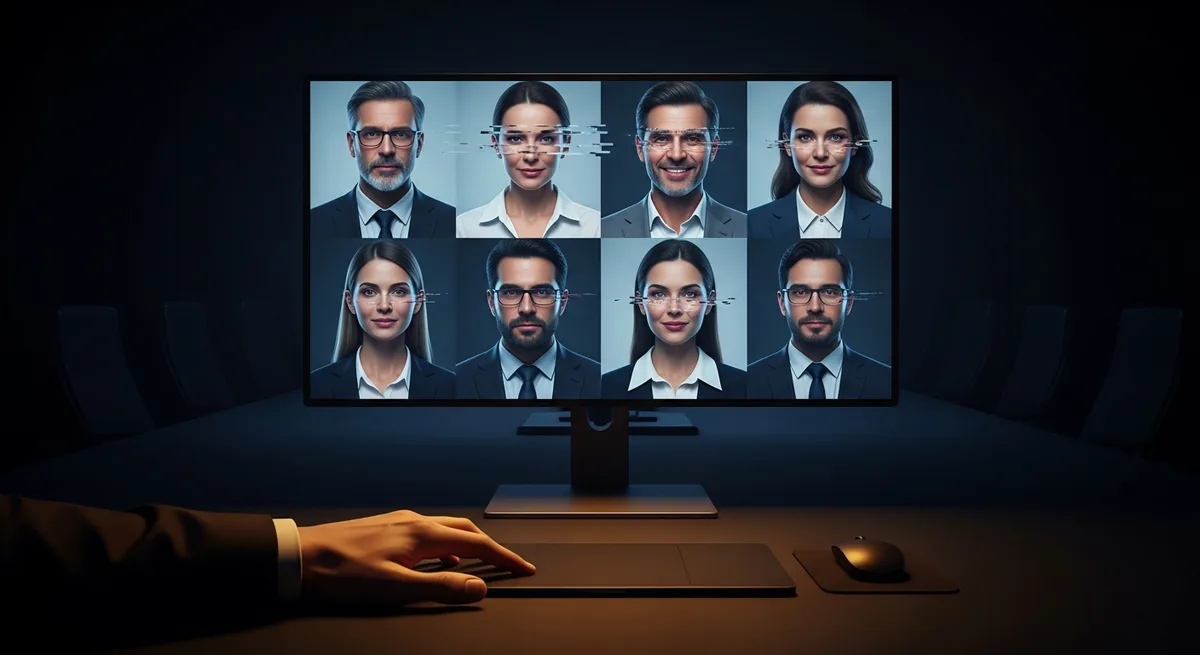
Deepfake detection is a losing strategy
Sixteen detectors tested by CSIRO, none reliable against real-world deepfakes. Why detection loses structurally, and what a finance team can put in its place.
Sourced analysis on executive fraud, deepfakes and identity verification. Every figure names its study and its date, so you can check it before quoting it.
Sixteen detectors tested by CSIRO, none reliable against real-world deepfakes. Why detection loses structurally, and what a finance team can put in its place.
For sixty years no single American officer could launch a nuclear strike alone. That lock rests on the architecture of the system rather than on trust. Corporate treasuries have no equivalent.
The Arup employee doubted, flagged the request, then asked for confirmation. The video call he was given as a control was fake. What that sequence says about the verification channel itself.
No finance chief takes the stage to walk through the deepfake wire fraud that hit their company. Disclosure law, insurance clauses and litigation risk make that account structurally impossible.
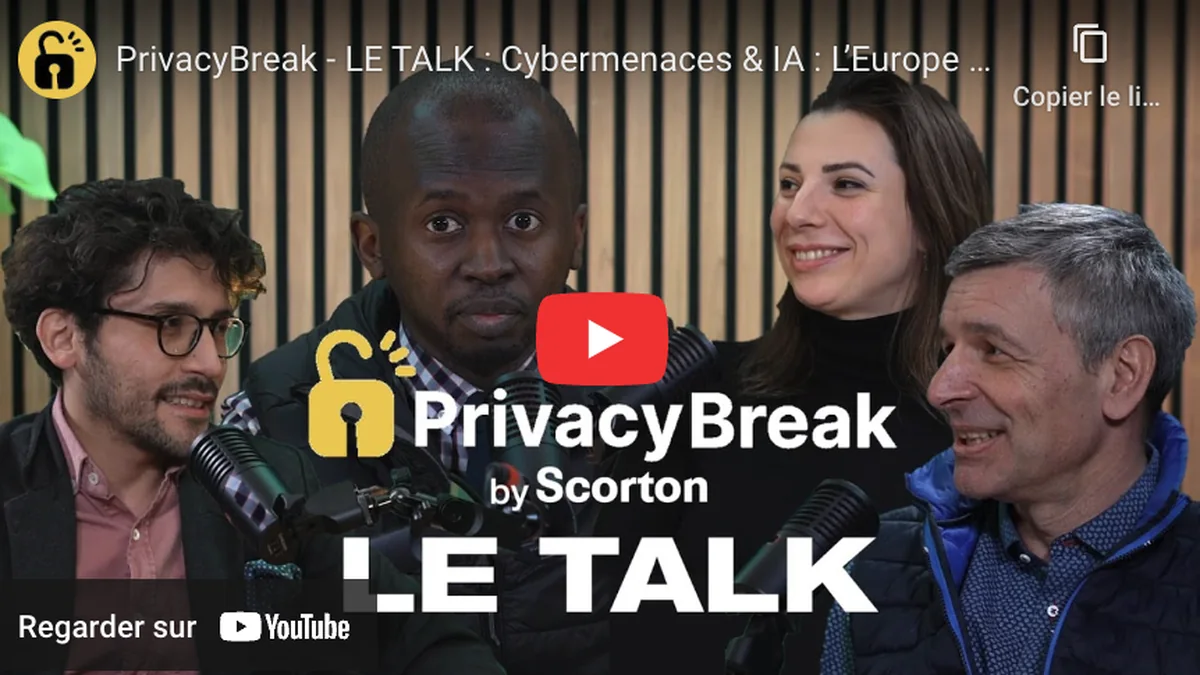
A conversation on the PrivacyBreak podcast about generative AI as a fraud tool, and what separates positive certification from an attempt at detection.
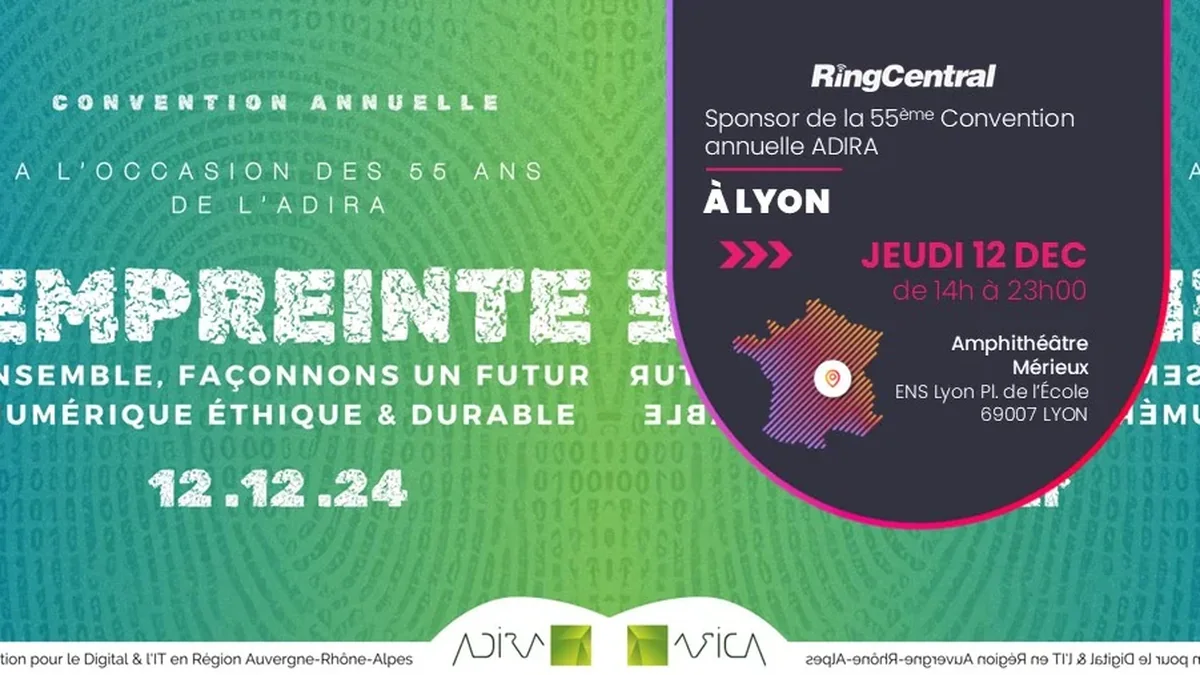
The Rhône-Alpes association for the development of computing selected Inkan.link among the finalists of its challenge, and invited it to its annual convention.
The regional daily covers executive fraud and Inkan.link's answer to it, including what a successful attack actually costs a small or mid-sized company.
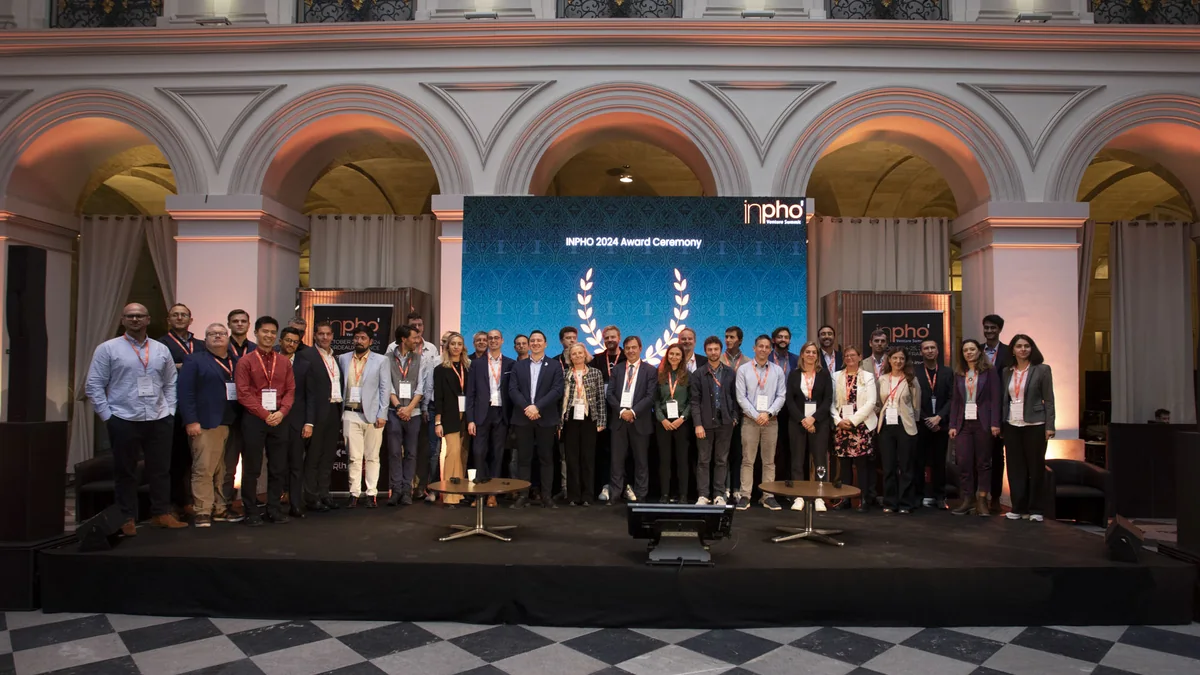
Selected for this deeptech investor summit, we noticed an unexpected signal: the deepfake threat raised three times, by investors, outside the programme.
The FBI put a figure on wire fraud over a decade. What that number says about the real level of threat, and why Arup and Ferrari were guilty of no carelessness.
A short presentation of our approach at the ADIRA pitch evening: protecting financial approvals without depending on one person's vigilance.
Our founder presented at the ITU-T workshop on securing AI, covering how criminals already use these tools and why detection alone is not a defence.
Inkan.link joined the Startup Alpha programme at Web Summit 2023 in Lisbon, to present a way of protecting payment approvals against deepfakes.
The engineering review covers Sealfie and the principle behind it: validating an exchange by aggregating the traces left by every system involved.
After the voice, the style. An attacker inside an executive's mailbox holds the corpus needed to write in their place, with no mistakes and no effort.
The L3i at the University of La Rochelle and Inkan.link receive a Deeptech Emergence grant from Bpifrance, to work on the use of open chains in business.
Cloning a voice costs under a hundred euros and a few minutes of public recording. What that does to a defence built on an employee's ear.
Wire fraud leaves the accountant alone, under pressure, then under suspicion. What a company owes the people holding its front line, beyond awareness training.
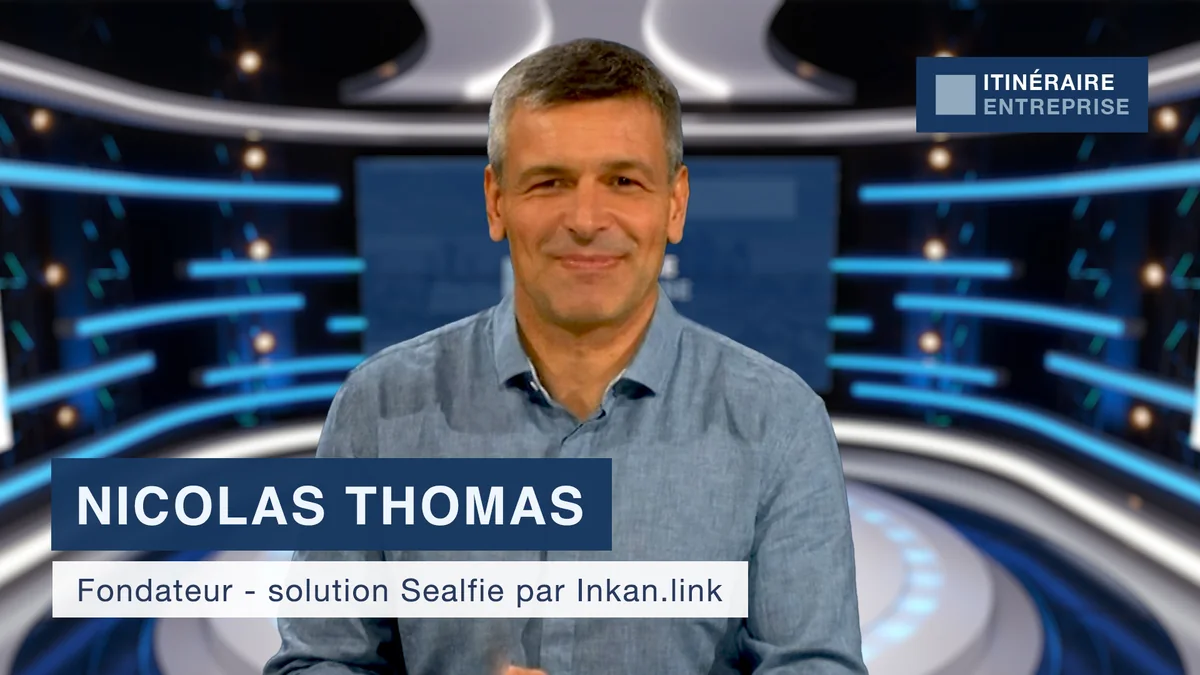
Our founder presents Sealfie and executive fraud in Itinéraire Entreprise, a partner space published on Le Figaro's website.
An attack prepared long in advance, aimed at a person rather than a system. What the agencies recommend, and why human discipline does not hold over time.