 Sealfie
AI and cybersecurity, on PrivacyBreak
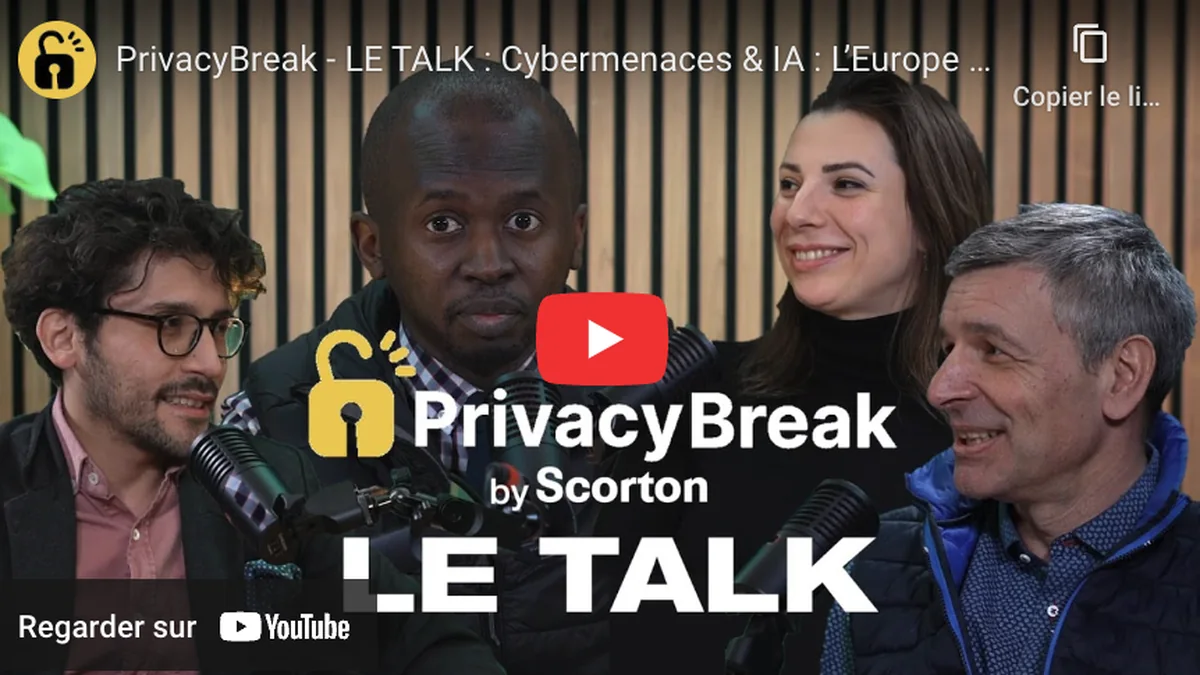
Nicolas Thomas joined the PrivacyBreak — LE TALK podcast to discuss AI and cybersecurity, alongside Bacely Yorobi, chief executive of Scorton.
Generative AI as a fraud tool
For under a hundred euros a month, an attacker reaches models that produce convincing deepfakes, whether imitating a voice or drafting a fraudulent email. What once required rare skill is now a subscription.
Fraudulent transfer orders are its most profitable outlet. Documented cases show entire video calls faked, including the one that cost the Arup group 25 million dollars in 2024.
Beyond detection
Against these tools, trying to recognise the fake means chasing a target the attacker optimises. The approach behind Sealfie is the reverse: positively certify real interactions rather than hunt false ones.
Verification cross-checks several independent sources, then the result is sealed and linked on an open chain. The goal is not to unmask a criminal, but to let a legitimate person establish their identity irrefutably.
A mechanism that asks for no discipline
The application guides the person at every step, including when they suspect a fraud. No prior training is needed, so protection does not depend on vigilance sustained over time.
AI is not to be feared in itself. What matters is having practical tools against the use criminals make of it.
Test your procedure
The 30-minute Challenge simulates an executive fraud attack against your validation procedure, with your consent. You keep the written report.